Moving into a new Hopkins Homes property is an exciting milestone. As you settle in, unpack and make your new house feel like home, it is helpful to understand how to look after it during its first few months.
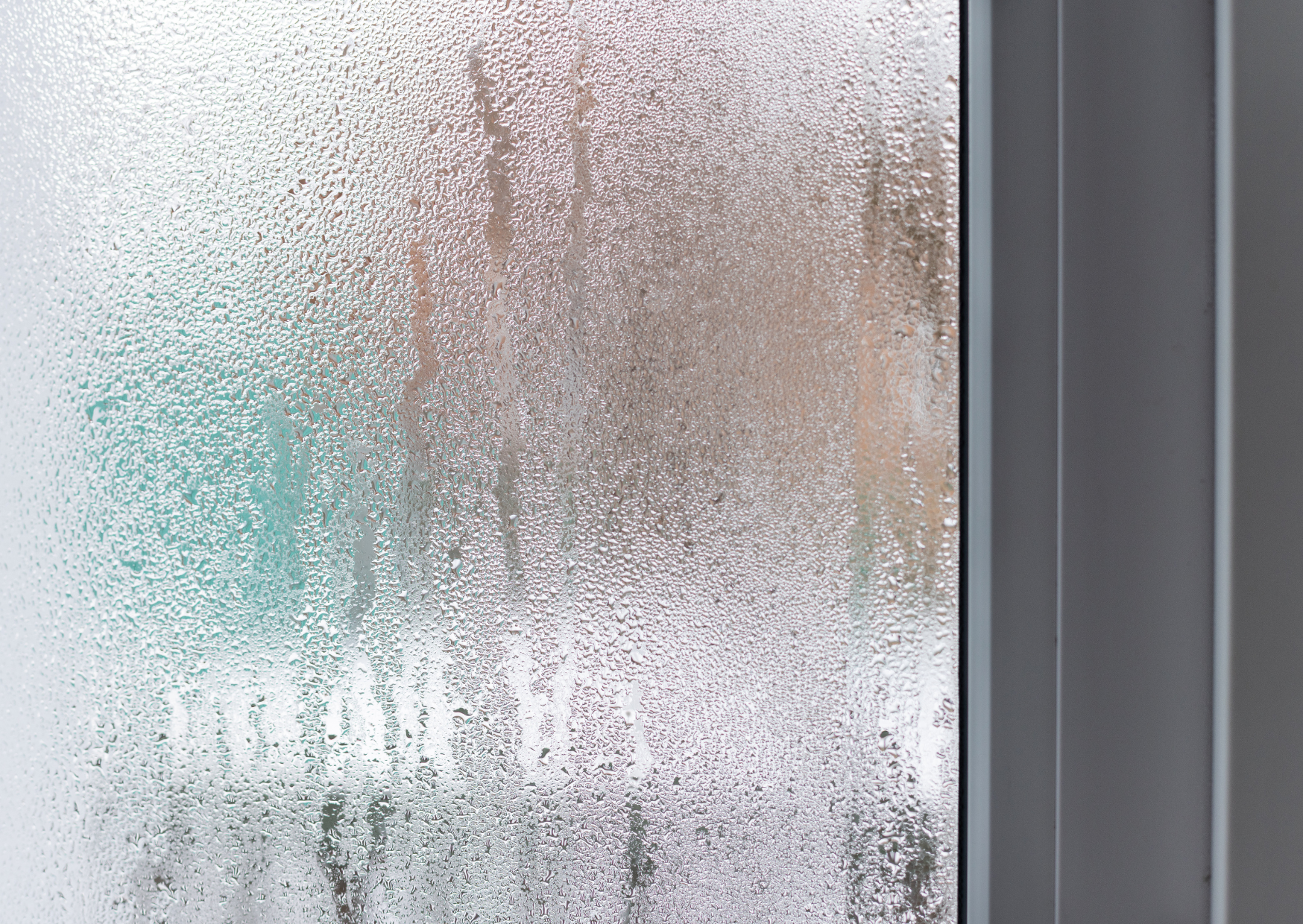
You may notice condensation in a new-build home. This is common and usually temporary: new homes contain moisture from materials used during construction, including concrete, plaster and timber. As the building naturally dries out, that moisture is released into the air.
Because modern homes are highly insulated and energy efficient, good ventilation and steady heating are particularly important. They help manage moisture in the air and reduce the chance of condensation forming on colder surfaces such as windows, walls and ceilings.
How to reduce condensation
The amount of moisture in your home will reduce over time, but these simple steps can help in the meantime:
Use the extractor fan whenever you cook. Keep kitchen doors and windows closed while it is running so it can remove steam effectively.
Use the bathroom ventilation system during and after bathing or showering. Most systems boost automatically when the light is switched on, so please do not turn them off.
Keep window trickle vents open, particularly in bedrooms and bathrooms. These small vents, located at the top of the window frame, allow fresh air to circulate and help moisture escape.
During the summer months and on warmer days, open windows regularly to increase airflow and allow moisture to escape. Opening them in the morning or evening can help keep your home fresh while avoiding the warmest part of the day.
Heat your home evenly and consistently during cooler weather. Maintaining a steady temperature helps prevent warm, moist air settling on colder surfaces. If you have underfloor heating or a heat pump, it is generally most effective to run it for longer at a lower, consistent temperature.
Avoid drying laundry indoors where possible, especially on radiators. If you do need to dry clothes indoors, use an extractor fan, open a trickle vent and keep the room well ventilated.
Wipe away any moisture that forms on windows or other surfaces. If condensation is noticeable, ventilate the room while maintaining a comfortable, consistent level of heating.
Modern new-build homes are designed to retain heat efficiently, so using ventilation systems correctly and opening windows when appropriate can support a fresh, comfortable home.
If you spot mould or damp
Condensation can sometimes contribute to mould growth if moisture is allowed to build up. If you are concerned about damp, condensation or mould in your home, please contact Hopkins Homes Customer Services team as soon as possible.
We will assess the issue, arrange an inspection where needed and identify the most appropriate next steps. This may include checking for leaks or other defects, reviewing ventilation, and recommending or carrying out remedial work.
We understand that mould and damp can be worrying, particularly where there are health concerns. If someone in your household has a respiratory condition, or there is significant or widespread mould, please tell us when you contact us so we can consider this as part of our assessment.
New homes are not necessarily more prone to damp overall, but they can experience more condensation in their early months while construction moisture dries out. Older homes may be more vulnerable to other types of damp, including rising or penetrating damp.
In all homes, effective ventilation, consistent heating and prompt reporting of any concerns are important.
Please contact Hopkins Homes Customer Services team straight away. The earlier we understand the issue, the sooner we can investigate the cause and advise on the right course of action.
We will inspect the affected areas and consider possible causes, such as condensation, ventilation, plumbing leaks or building defects. We will explain our findings and, where work is required, let you know what will happen next.
Yes. Using extractor fans, keeping trickle vents open, opening windows regularly in warm weather, managing moisture from cooking, showering and drying clothes, and maintaining steady heating during colder periods will all help. If you are unsure about the ventilation or heating systems in your home, please get in touch and we will be happy to help.